If you are looking for your first investment property in South Florida, Hallandale Beach may catch your eye for one simple reason: the numbers can look more approachable than many nearby markets. But a lower entry price does not always mean an easier investment. In Hallandale Beach, your success often depends on how well you understand condo rules, operating costs, and local rental regulations. This guide will help you see where the opportunity is, where the friction is, and whether this market fits your goals. Let’s dive in.
Why Hallandale Beach Stands Out
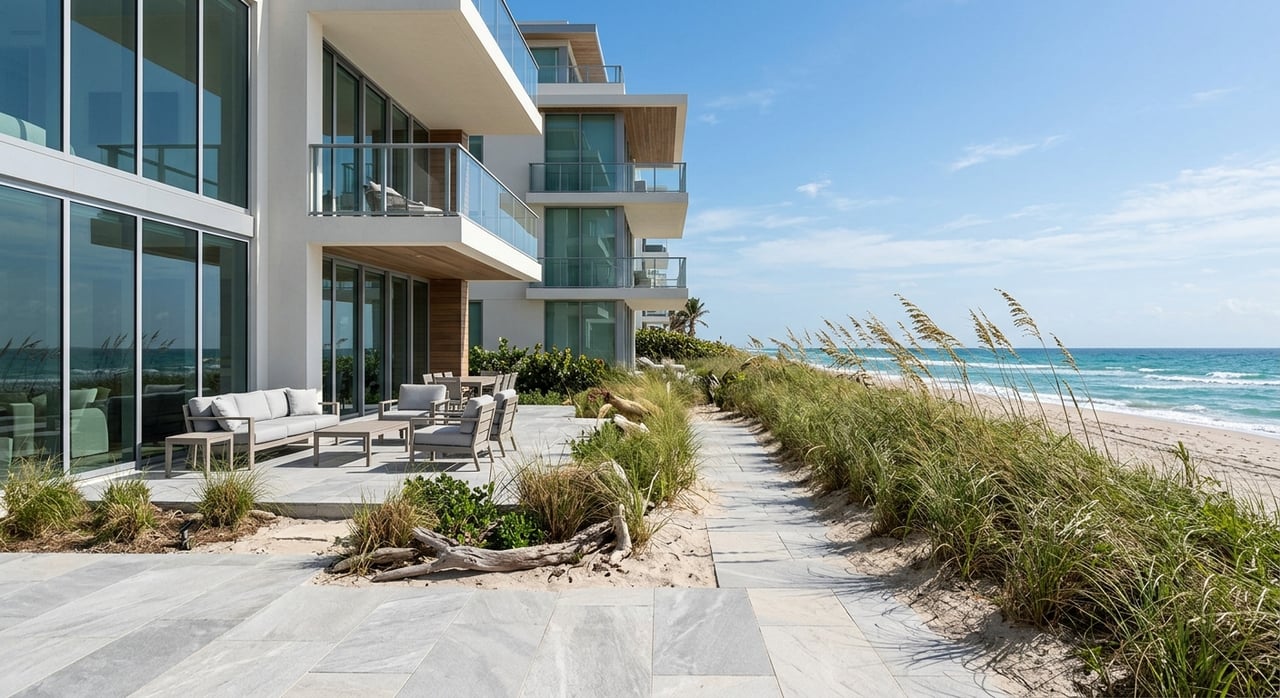
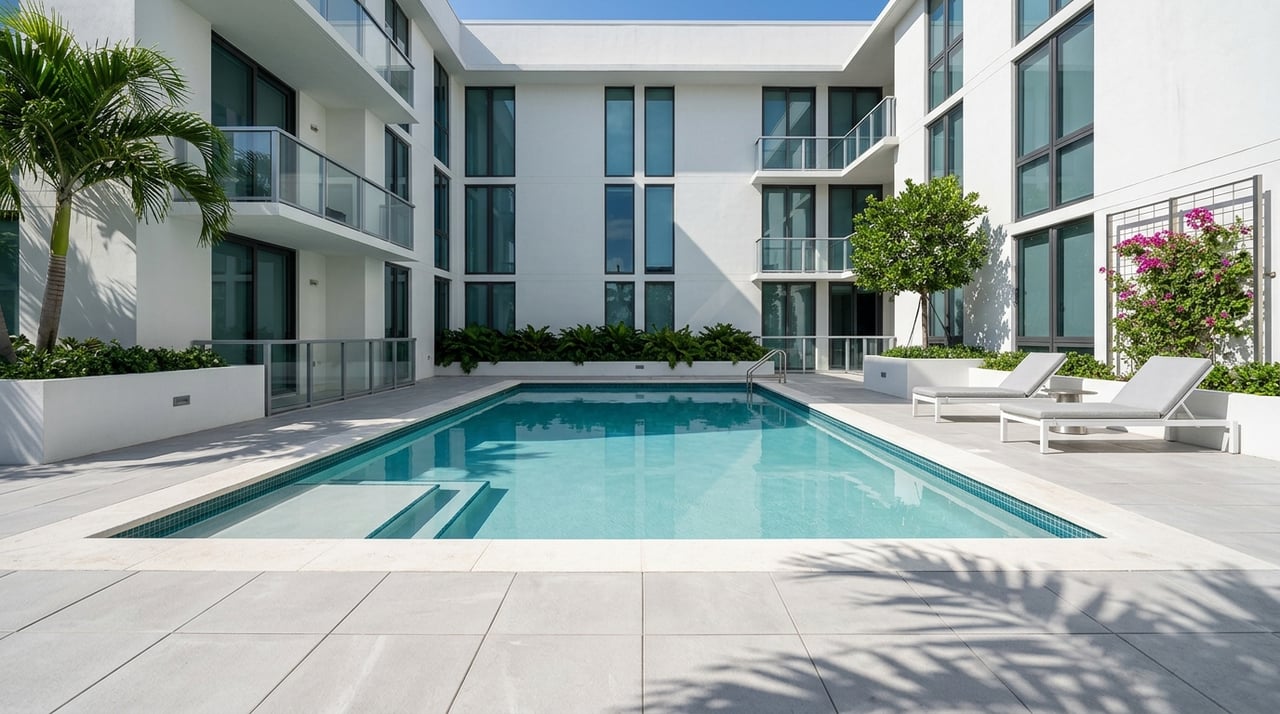
Hallandale Beach has a very different housing mix than a typical detached-home market. In the latest ACS-based profile, the city had 28,793 housing units, and 83% were in multi-unit buildings. That makes Hallandale Beach a market where your first investment property will more likely be a condo or apartment-style unit than a single-family house.
That matters because your investment decision is not just about location or price. In a condo-heavy market, you also need to evaluate association rules, monthly dues, reserve funding, and building-level restrictions that can shape your rental strategy.
The city also looks relatively accessible by South Florida standards. Census-based data showed a median owner-occupied home value of $279,100, which is below the Miami-Fort Lauderdale-West Palm Beach metro median of $443,300. Recent market snapshots also pointed to a median listing price around $319,000 and a median sale price of $271,000.
What First-Time Investors May Like
For a first-time investor, Hallandale Beach offers a few practical advantages. The biggest one is that the pricing can create a lower barrier to entry than many nearby coastal areas. If you have been priced out of other South Florida markets, Hallandale Beach may feel more attainable.
There is also meaningful rental activity to support an income strategy. Realtor.com showed a median rent of about $2,600 per month, and current apartment benchmarks were about $1,319 for a studio, $1,929 for a one-bedroom, $2,614 for a two-bedroom, and $3,434 for a three-bedroom. For many first-time buyers, that makes one-bedroom and two-bedroom units the most practical place to start.
Using broad market medians as a rough screen, median rent versus median sale price can suggest attractive gross yield potential before expenses. Based on the sale-price median, the rough gross yield inference is about 11.5%, and based on the listing-price median, it is about 9.8%. Still, these are only simple screening figures, not a cap rate or performance forecast for any specific property.
Why Hallandale Beach Is Not Passive
This is where many first-time investors need a reality check. Hallandale Beach can make sense, but it is usually not a set-it-and-forget-it market. The details of the building often matter as much as the details of the unit.
In a condo-heavy coastal market, the rent that matters is not just what the market might support. It is the rent allowed by the condo declaration, minus monthly dues, insurance costs, taxes, possible special assessments, maintenance, reserves, and vacancy. A unit that looks strong on a listing sheet can look very different once you build out a realistic pro forma.
That is especially important in older condominium buildings. Florida requires milestone inspections for many condominium buildings that are three habitable stories or higher when they reach 30 years of age, with repeat inspections every 10 years. The state also requires structural integrity reserve studies every 10 years for many three-story-and-higher residential condominium buildings, and the statute warns that waiving reserve funding can lead to unanticipated special assessments.
Best Fit Property Types
If you are buying your first investment property in Hallandale Beach, it usually makes sense to focus on condos and other apartment-style homes. That is simply where most of the local housing stock is. Trying to force a detached-house strategy in a market dominated by multi-unit inventory can limit your options and pricing flexibility.
Within that condo-first landscape, one-bedroom and two-bedroom units often make the most practical entry point. The current rent benchmarks suggest these sizes can appeal to a broad renter base while keeping your acquisition and operating plan more manageable than a larger unit.
That said, the right unit is never just about bedroom count. You still need to confirm whether the building allows leasing, whether there are waiting periods, whether seasonal or short-term use is restricted, and how dues and reserves affect your monthly numbers.
Long-Term Rental vs Short-Term Rental
Long-term rental strategy
For many first-time investors, a long-term rental is the cleaner fit in Hallandale Beach. Your main question is simple: does the income still work after you account for association dues, taxes, insurance, maintenance, management, reserves, and expected turnover?
This approach can be easier to manage than a more active rental model. It also lets you focus on steady lease-up and building-level lease rules instead of running a property like a lodging business.
Short-term rental strategy
If you are thinking about seasonal or short-term rentals, the city has clear rules. Hallandale Beach requires an annual vacation-rental operating license for properties rented for less than 30 consecutive days. The city states that operating without both a Business Tax License and a Vacation Rental License violates local code.
The current fee schedule includes a $300 vacation-rental license fee, a $25 business tax or license fee, and a $75 late fee. The application process also includes a notarized application, a DBPR transient public lodging establishment license, proof of an active Broward County Tax Collector account, a floor sketch, an evacuation route map, a current local business tax receipt, and a rental agent who is available 24/7 and can be present within 60 minutes.
The city checklist also states that maximum occupancy is based on available space and capped at four people per bedroom. In practical terms, that means short-term renting in Hallandale Beach operates more like a regulated hospitality business than a passive side income stream.
Condo Due Diligence Matters More Here
In Hallandale Beach, condo due diligence is not optional. It is one of the most important parts of buying well. Florida’s condominium disclosure statute requires buyers to receive information about unit-use restrictions, leasing restrictions, association assessments, and the budget.
The disclosure package also includes the declaration, bylaws, operating budget, and the association’s most recent structural integrity reserve study, or a statement that none has been completed. These documents can tell you whether a building fits your plan before you close, not after.
For a first investor, that can be the difference between buying an asset and buying a problem. A well-located unit is not enough if the building restricts rentals, carries weak reserves, or faces major future assessments.
Costs You Need to Underwrite Carefully
A strong Hallandale Beach pro forma should include more than rent and mortgage. In this market, the hidden line items can shape your return just as much as your purchase price.
Here are the costs that deserve close attention:
- Achievable market rent
- Vacancy and turnover
- HOA or condo dues
- Special assessments
- Property taxes
- Insurance
- Routine maintenance
- Property management
- Reserve contributions
- Licensing or compliance costs for short-term rentals
One key tax point is easy to miss. Broward County’s Property Appraiser states that January 1 is the annual assessment date, and homestead status depends on the owner making the property a permanent residence as of that date. Florida law also says that renting all or substantially all of a dwelling previously claimed as homestead constitutes abandonment for homestead tax purposes, so an investment property generally should not be underwritten as if it will receive homestead savings.
Flood and Insurance Planning
Because Hallandale Beach is a coastal market, flood planning deserves its own line in your analysis. It should not be treated as a minor add-on. The city participates in FEMA’s NFIP and CRS programs and notes that its Class 6 CRS rating can reduce flood insurance premiums by 20% inside the Special Flood Hazard Area and 10% outside it.
The city also notes that flood policies typically have a 30-day waiting period before becoming effective. That timing matters if you are trying to close, renovate, or lease quickly. The city also provides tools to check property-specific flood zone, base flood elevation, and design flood elevation information.
If you are considering a renovation-heavy play, be even more careful. Hallandale Beach states that if a structure in a Special Flood Hazard Area has a finished floor below the required flood elevation, local floodplain rules and state codes may affect repairs or additions. The city also defines substantial improvement as work costing 50% or more of the structure’s market value or replacement cost before work begins.
When Hallandale Beach Makes Sense
Hallandale Beach can be a smart first investment market if you want a coastal condo entry point and you are comfortable with detailed underwriting. It may also suit you if you are open to a building-by-building search instead of expecting every property to follow the same rental rules.
This market tends to reward buyers who are disciplined. If you can evaluate dues, reserves, flood exposure, insurance, and lease restrictions before making an offer, you may find opportunities that look more accessible than nearby markets while still offering solid rental potential.
When It May Not Be the Right Fit
Hallandale Beach may be less suitable if you want a simple detached-home rental with minimal oversight. It may also be a tougher fit if you are hoping to buy based on headline rent numbers without digging into the condo documents and operating costs.
For first-time investors who want very low friction, the market can feel more complex than expected. The mix of condo governance, coastal insurance, reserve requirements, and local licensing rules means you need to treat this as an operating business, not just a property purchase.
The Bottom Line
So, is Hallandale Beach right for your first investment property? It can be, especially if you are looking for a more accessible South Florida entry point and you are prepared for condo-focused due diligence. The opportunity here is real, but it is tied to careful underwriting, clear rental strategy, and a strong understanding of building-level restrictions.
If you want help evaluating whether a specific Hallandale Beach condo or small investment property fits your goals, Purple Door Capital brings local market knowledge and hands-on underwriting insight to the process.
FAQs
Is Hallandale Beach a good place for a first investment property?
- Hallandale Beach can be a good fit if you are comfortable buying in a condo-heavy market and underwriting costs like HOA dues, insurance, reserves, and possible special assessments.
What property type is most common for first-time investors in Hallandale Beach?
- Condos and other apartment-style units are usually the most realistic options because 83% of the city’s housing units are in multi-unit buildings.
Are short-term rentals allowed in Hallandale Beach?
- Yes, but properties rented for less than 30 consecutive days require an annual vacation-rental operating license, a business tax license, and compliance with the city’s checklist and occupancy rules.
What rental unit sizes are most practical in Hallandale Beach?
- Based on current apartment rent benchmarks, one-bedroom and two-bedroom units are often the most practical starting point for broad renter demand.
What should you review before buying a Hallandale Beach condo as an investment?
- You should review leasing restrictions, association dues, assessments, the operating budget, reserve information, and the structural integrity reserve study if one is available.
Should you assume homestead tax savings on a Hallandale Beach investment property?
- No. An investment property generally should not be underwritten with homestead savings because homestead status depends on permanent residency and can be lost when the property is rented.