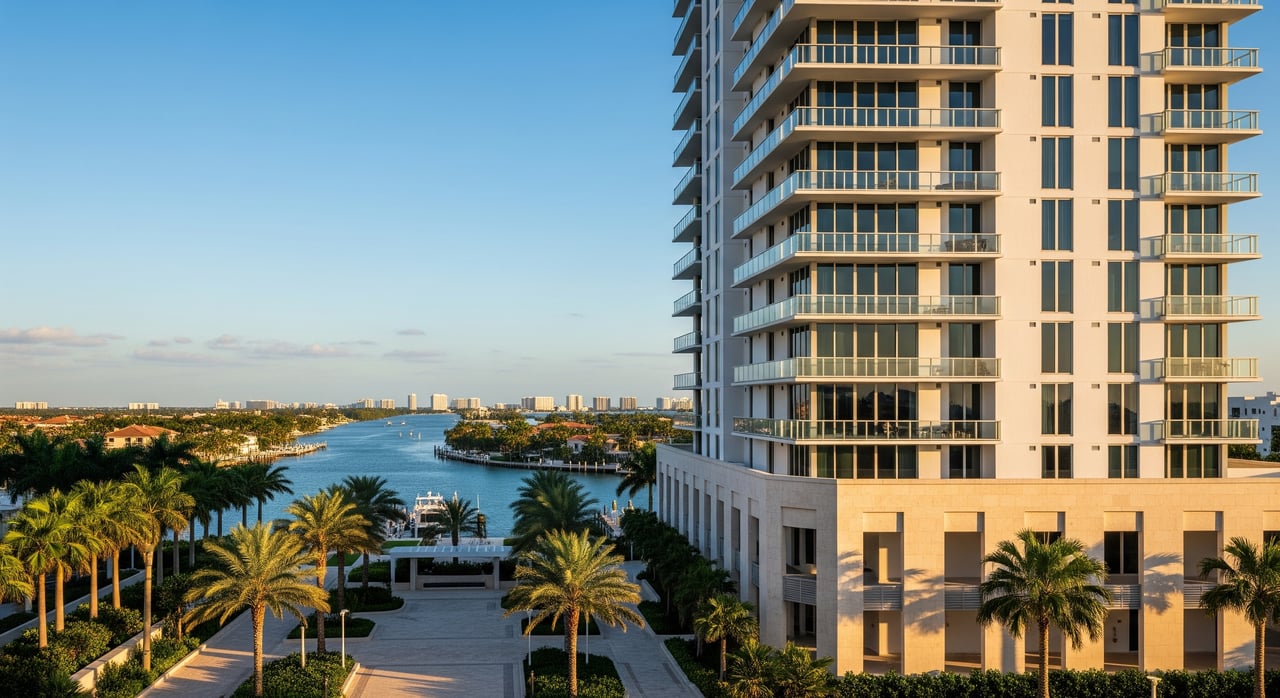
Buying a condo in Aventura and hearing a lot about the 40-year recertification? You are not alone. The process can feel complex and the stakes are high, especially when you are trying to budget and plan a move. In this guide, you will learn how the milestone inspection works in Miami-Dade, what engineers often find in coastal buildings, how repairs are funded, and the documents to request before you commit. Let’s dive in.
40-year recertification basics
The 40-year recertification, also called a milestone inspection, is a periodic, age-based safety check for multi-story buildings. Licensed engineers evaluate the structure and life-safety systems, then issue a written report with findings and recommendations. The building’s association is responsible for responding to the report, planning repairs, securing permits, and completing the work.
Exact triggers and timelines vary by local rules, but the concept is similar across Miami-Dade: inspections begin when a building reaches a certain age and repeat at intervals. Always confirm the specific rule for the property you are considering with Miami-Dade and the association. Expect to see an engineer’s report, a list of deficiencies, and documentation that ties back to the building department.
How the process unfolds
Here is how the milestone workflow typically moves from inspection to sign-off:
- Commission an engineer who inspects and issues a report. This phase may take weeks to a few months.
- The board reviews the report, defines repair scope, and develops a funding plan. This can take weeks to months.
- Contractor bidding and permitting follows. Expect 1 to 6 months, sometimes longer.
- Repairs can be phased or done under a single contract. Timelines range from months to years for large projects.
- Re-inspection and final sign-off occur once work is complete.
You should expect that schedules and budgets evolve as more information becomes known, especially once demolition exposes hidden conditions.
What inspectors often find
Aventura’s coastal environment accelerates wear on older buildings. Typical findings in the 40-year reports include:
Concrete and structure
Salt air and humidity can cause concrete spalling and expose corroded rebar in columns, beams, slabs, and balcony edges. Repairs usually involve concrete patching and restoration. In severe cases, engineers may specify replacement of localized structural elements or supplemental protection.
Envelope and waterproofing
Deteriorated roof membranes, balcony waterproofing, sealants, and expansion joints are common. Windows and door frames can leak. Repairs often include membrane replacement, resealing and repainting, and in some cases window or door work to address water intrusion.
Balconies and railings
Balcony slab deterioration, tile failures, and unsafe railings or anchors are frequently flagged. Solutions include structural repairs, new railing anchors or systems, and resurfacing with proper waterproofing.
Parking structures
Garages and ramps may show concrete deterioration and drainage problems. Typical repairs include concrete restoration, drainage improvements, and joint system replacement. Some structures require strengthening.
Roofs and pool decks
Ponding water, failed membranes, and expansion joint issues come up often. Expect roof or deck membrane replacement and resurfacing on older buildings.
Mechanical and electrical systems
Outdated or undersized electrical infrastructure and grounding issues are common findings. Engineers may recommend panel upgrades and improvements to life-safety systems.
Elevators and life-safety
Elevator modernization and code-related upgrades are typical in older towers. Stairwell doors, fire ratings, signage, and emergency lighting may need updates.
Mold and finishes
Chronic leaks can lead to mold and damaged finishes. While these are secondary to structural concerns, they often appear in the report and factor into project scope.
Costs, reserves and assessments
The association is responsible for required work. Funding can come from reserves, special assessments, a loan, or a combination. A current reserve study is essential to understand how prepared the association is for major projects. In many older buildings, reserves are underfunded, which is why milestone work often triggers special assessments.
Cost varies with scope. Modest items like sealants and minor spall repairs can be manageable. Larger projects such as full concrete restoration, balcony replacement, and whole-building waterproofing can lead to assessments that range from many thousands to tens of thousands of dollars per unit. Complex projects that include garages and multiple structures can be higher.
Key cost drivers include the extent of structural degradation, access and scaffolding needs, demolition and replacement complexity, permitting requirements, and market conditions for labor and materials. Budgets early in the process are preliminary. Hidden conditions during demolition, inflation, and supply constraints can push final costs above initial estimates. Phasing can spread payments over time, but may increase total project cost and disruption length.
Insurance usually does not cover deterioration repairs identified in milestone reports. Associations rely on reserves or assessments for those costs. Lenders and underwriters may review recertification status, pending assessments, and reserve adequacy. A large pending assessment or weak reserve position can affect your financing and appraisal. On the flip side, once major work is completed, the building’s long-term stability and market confidence can improve.
Buyer due diligence checklist
Before you fall in love with a view, get the paperwork in order. Request these items as early as possible, ideally before waiving contingencies:
- Engineer’s milestone inspection report with photos, plans, and recommendations.
- Current reserve study, annual budget, and financial statements.
- Board and finance meeting minutes for the past 12 to 24 months.
- Owner notices regarding inspections, proposed remediation, and cost estimates.
- Contractor bids, any permits filed with Miami-Dade, and timelines.
- Governing documents, special assessment policy, and any association loan documents.
- Insurance certificate with limits and deductibles.
- Litigation disclosures related to building condition or finances.
- A list of approved or pending assessments and payment schedules.
Read HOA minutes like a pro
Meeting minutes are where the story unfolds. Scan for clear terms and decisions:
- Look for specific phrases. “Engineer’s report,” “deficiencies,” “scope of work,” “estimated costs,” “phased plan,” “special assessment,” “loan,” “reserve transfer,” “contract award,” “permit application,” and “timeline.”
- Treat ranges with caution. Wide cost ranges signal uncertainty and risk of increases later.
- Separate recommendations from requirements. Items required by code or inspectors often carry deadlines.
- Check for board actions. Has the board adopted a funding plan or voted on assessments or loans? If not, that is a sign of uncertainty.
- Watch vendor approvals. If a bid was accepted, ask for the contract and detailed scope. If there was no competitive bidding, ask why.
Red flags include repeated deferrals with growing scope, using operating funds for capital work without a funding plan, legal disputes with vendors or prior boards, and county notices that demand action with short deadlines.
Questions to ask before you commit
- Has the milestone inspection been completed? If not, when is it scheduled and when will the report be available?
- If completed, can you share the full engineer’s report and any repair scopes or permits that followed?
- What is the current reserve balance and the most recent reserve study result? How much of the required work is funded?
- Are there approved or pending special assessments or association loans? What are the amounts and payment schedules?
- Have contractor bids been obtained? Please share copies.
- What permits are filed with Miami-Dade and what is the anticipated construction timeline?
- Is there any building-related litigation?
- How will assessments be allocated across owners and are there repayment options?
Contract protections to consider
Use your contract to reduce risk. Common protections include:
- Inspection, financing, and condo document review contingencies that allow you to cancel or renegotiate based on milestone findings.
- Requirements for the seller to disclose known assessments and, in some cases, to pay them at or before closing.
- Escrow arrangements or seller credits for outstanding assessments.
- Engaging a condo attorney to add custom protections when significant assessments are pending.
These tools help you control outcomes if the scope or costs change during your purchase window.
Timeline expectations in Aventura
Plan on the inspection and report phase taking weeks to a few months after the engineer is engaged. Funding decisions and permitting can add several months. Construction is variable. Smaller projects may wrap in months while full-building restorations often stretch 12 to 36 months or more, especially if phased. If you are buying during an active project or pending assessment vote, build in time for potential closing delays tied to lender review or association documentation.
Local resources and pros to consult
If you want deeper analysis, consider bringing in specialists:
- Local licensed structural engineers with coastal condo experience to interpret the milestone report.
- Condominium attorneys for contract language and assessment implications.
- Certified public accountants or association accountants for financial review.
- Contractors experienced in marine and high-rise concrete restoration for scope clarity.
- Miami-Dade Building Department and Florida DBPR resources for rules, permits, and consumer guidance.
Verify credentials and experience with coastal high-rises before you hire anyone.
Practical next steps
- Ask for the engineer’s report and all related documents early. Do this before you waive contingencies.
- Review the reserve study and financials. Quantify any funding gap.
- Read 12 to 24 months of minutes and owner notices. Note board decisions and timelines.
- Confirm pending or approved assessments and how they affect monthly costs and cash due at closing.
- Bring in a structural engineer and a condo attorney if the report shows significant work.
- Structure your contract with contingencies and, if needed, seller credits or escrows.
Buying in Aventura does not mean avoiding older buildings. It means buying informed. When you verify the building’s condition, funding plan, and timeline, you protect your budget and keep your lifestyle goals on track.
Ready to look at Aventura condos with a clear plan for milestone risk, scope, and costs? Schedule a consultation with Purple Door Capital to get expert, on-the-ground guidance.
FAQs
What is the 40-year recertification for Aventura condos?
- It is a milestone inspection by licensed engineers that checks a multi-story building’s structural and life-safety condition once it reaches a certain age, with follow-up reports and required repairs.
How can 40-year recertification affect my mortgage approval in Miami-Dade?
- Lenders may review the building’s recertification status, pending assessments, and reserve strength, and large unfunded projects can impact loan approval or appraisal.
What documents should I request from an Aventura condo association before buying?
- Ask for the engineer’s report, reserve study, financials, 12 to 24 months of minutes, contractor bids, permits, insurance declarations, litigation disclosures, and assessment schedules.
Who pays for repairs after a milestone inspection in Aventura condos?
- The association funds required work through reserves, special assessments, loans, or a combination, which ultimately affects unit owners.
How long do milestone-related repairs usually take in coastal Aventura buildings?
- Small scopes may finish in months, but full-building restorations commonly take 12 to 36 months or more depending on scale and phasing.