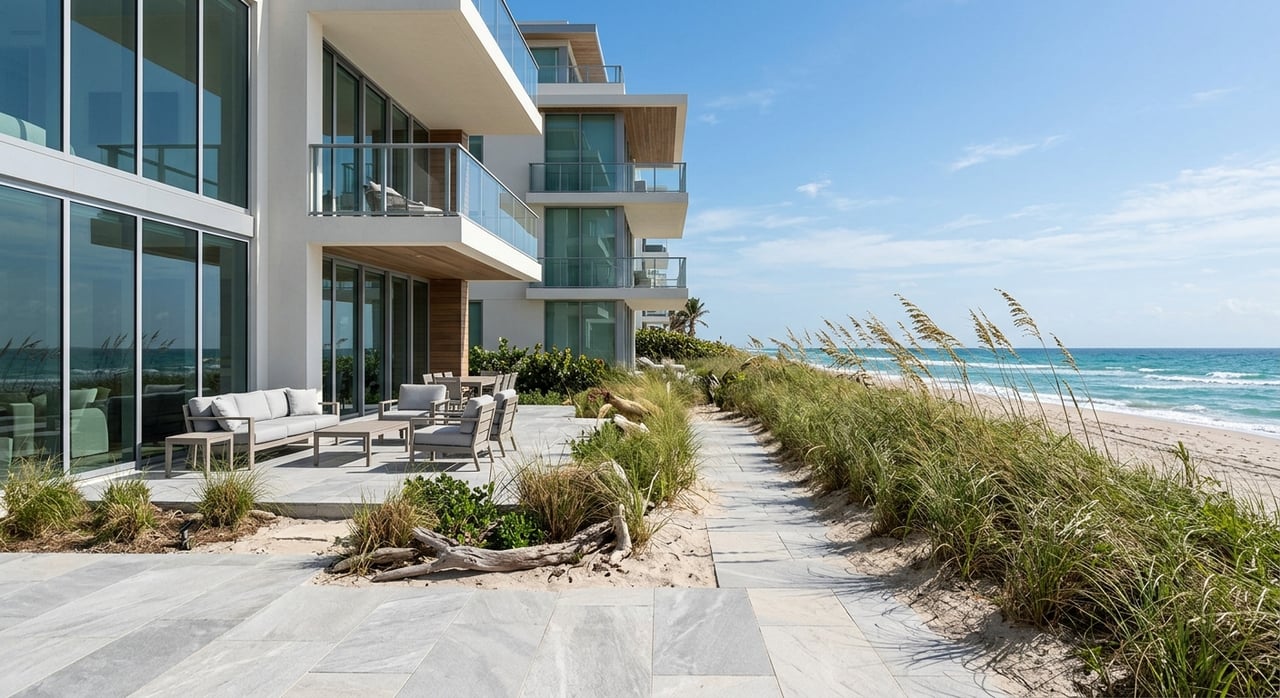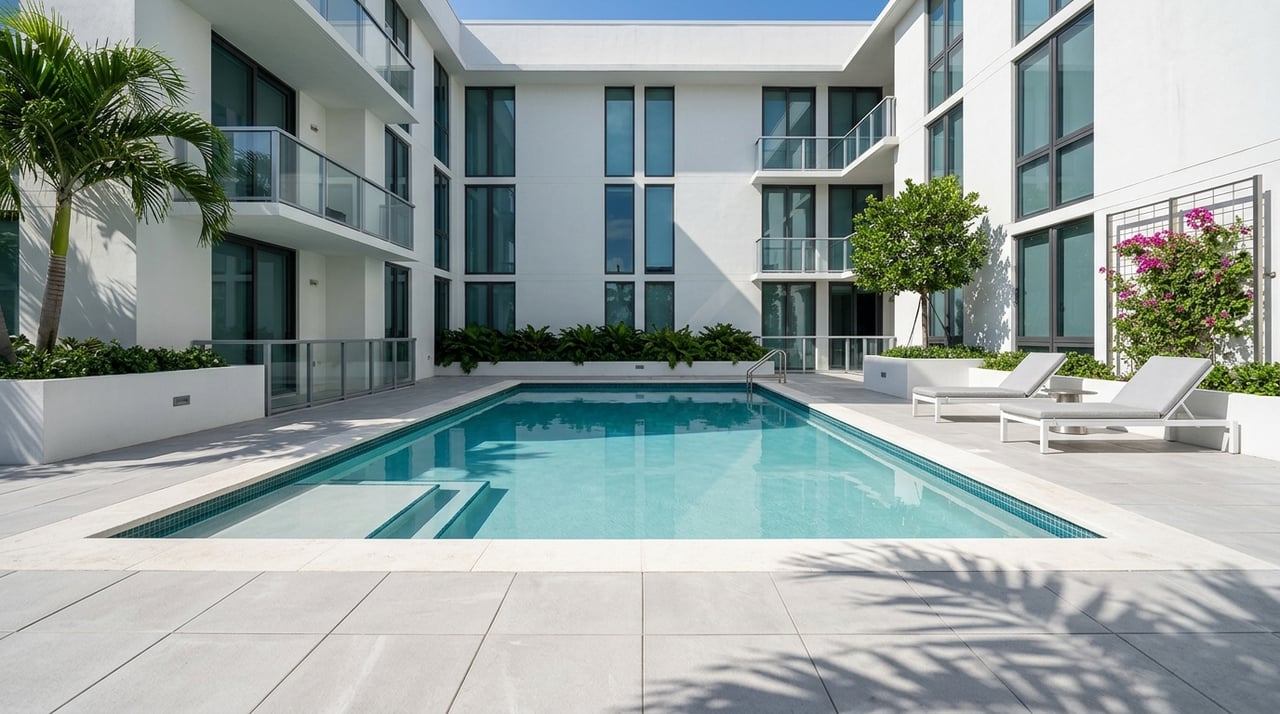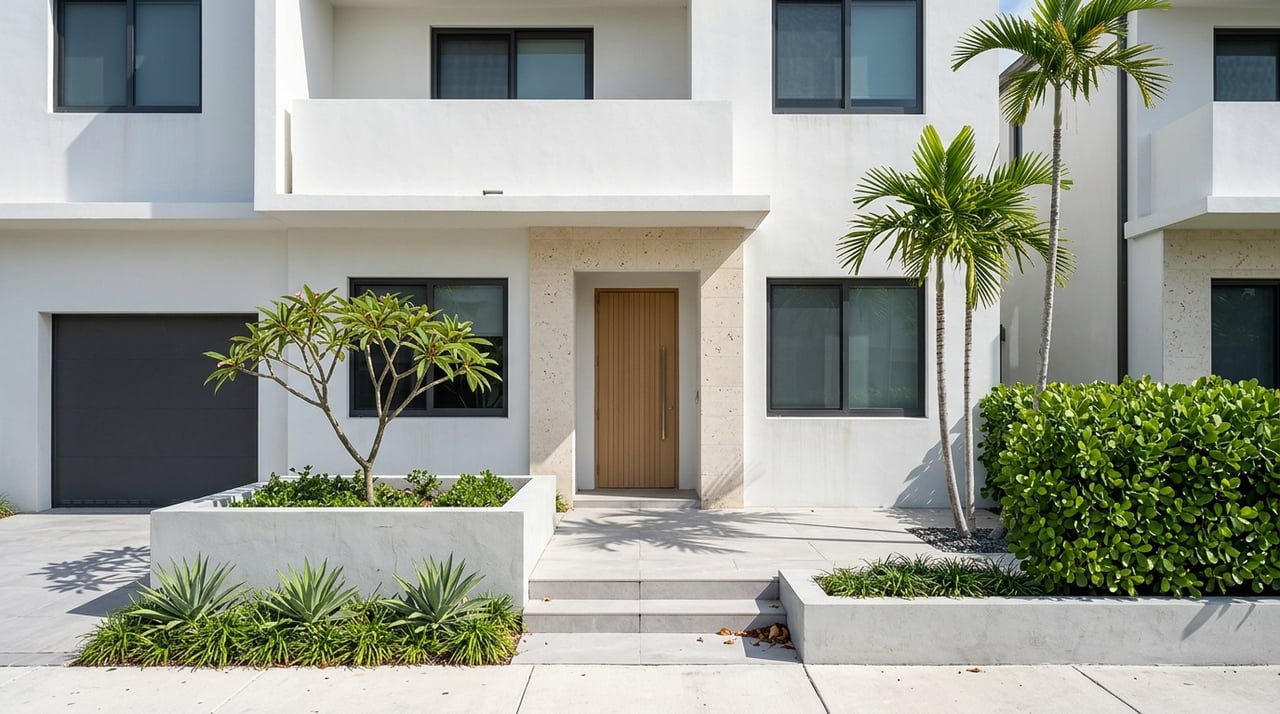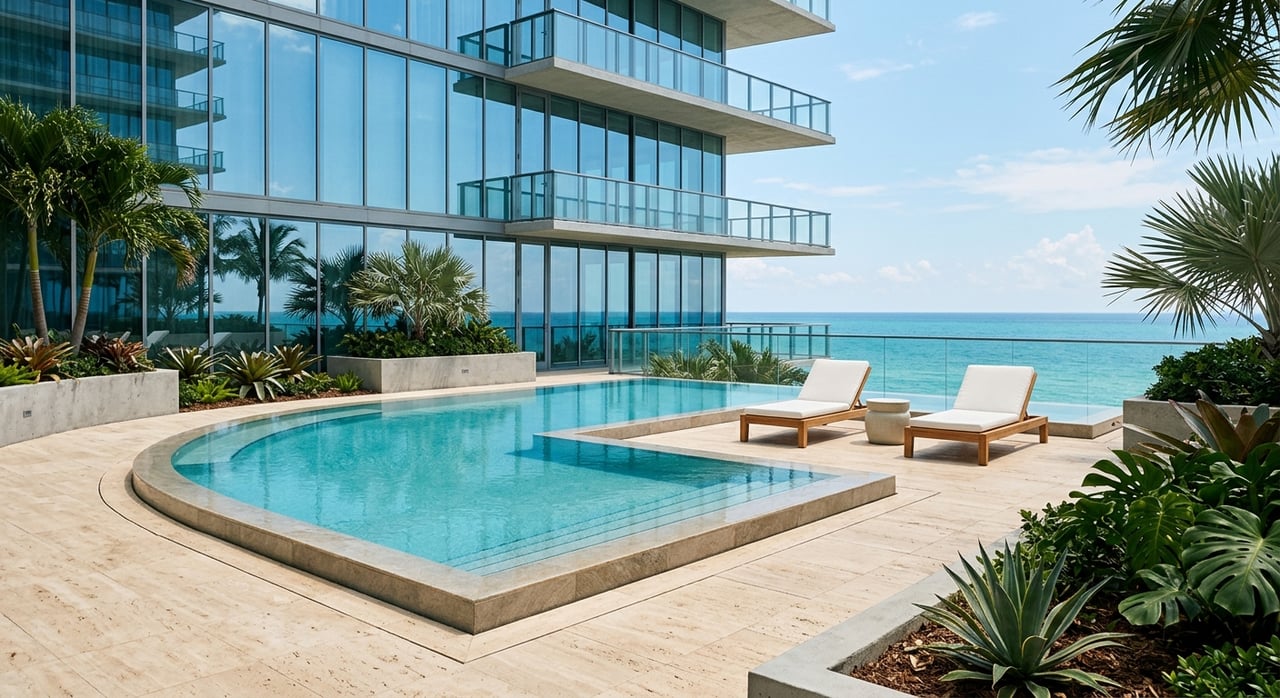
If you live in the Northeast and you are weighing a South Florida second home, Boca Raton and Aventura can both make the shortlist fast. They offer warm weather, strong amenities, and relatively easy seasonal access, but they function very differently once you picture how you will actually use the home. This guide will help you compare lifestyle, housing options, travel convenience, and ownership costs so you can choose the better fit with more confidence. Let’s dive in.
Boca Raton vs Aventura at a glance
For most second-home buyers, this decision is not about which city is objectively better. It is about which setting matches your routine, your preferred home type, and the amount of maintenance or building oversight you want.
Boca Raton is a larger coastal city with more physical room, more single-family options, and a broader residential feel. Aventura is a smaller, denser city where condo living and amenity-driven ownership play a much bigger role.
| Factor | Boca Raton | Aventura |
|---|---|---|
| Land area | 29.2 square miles | 3.2 square miles |
| Coastal access | 5 miles of Atlantic coastline | 1 mile west of the Atlantic Ocean |
| Housing pattern | Broader mix, including more detached-home settings | Majority high-rise multi-family condominium development |
| General feel | More spread out and residential | More compact and condo-centric |
| Travel setup | Boca Brightline station, Tri-Rail access, local airport | Between Miami and Fort Lauderdale, Brightline access, local shuttle options |
Boca Raton offers more space
Boca Raton covers 29.2 square miles, which helps explain why it often feels more spread out than denser South Florida markets. The city also highlights five miles of Atlantic coastline and 49 parks across 1,650 acres, which supports a more expansive coastal lifestyle.
Its housing profile matters too. Boca’s housing element says more than 75% of the city’s housing stock was built after 1970, and the city notes that existing and potential additional single-family neighborhoods will remain intact while density is directed to transit-oriented areas.
For you as a second-home buyer, that usually means more flexibility. If you want a detached home, a lower-density setting, or a broader mix of property types, Boca often gives you more ways to shop.
Aventura is more condo-centric
Aventura is much smaller at 3.2 square miles, and its official planning documents describe a housing mix that ranges from condominiums and luxury townhouses to single-family homes. Still, the city says the majority of its housing stock is high-rise multi-family condominium development, with approximately 92 condominium developments noted in its plan update.
That concentration shapes the buying experience. In Aventura, you are more likely to be comparing buildings, associations, amenities, and views than choosing between very different neighborhood formats.
If your ideal second home is a lock-and-leave condo with on-site amenities and a more vertical lifestyle, Aventura often feels intuitive right away. If you want more separation from shared building operations, Boca may give you more options.
Lifestyle fit matters more than price alone
A lot of second-home buyers start by comparing list prices, but lifestyle fit is often the real decision point. You are not just buying square footage. You are buying a pattern of daily life.
Boca’s official city description emphasizes art, culture, museums, outdoor festivals, coastline, parks, trails, and waterfront activities. The Brightline station area is also described as being near downtown destinations with access to beaches, parks, shopping, dining, and entertainment.
That combination tends to appeal to buyers who want a traditional coastal-resort rhythm. You may spend more time driving short distances, but you also get a broader city footprint and more variety in how you use the area.
Who usually prefers Boca Raton
Boca often fits you better if you want:
- More space around you
- A broader mix of home types
- Easier access to parks, trails, and coastline
- A more residential second-home feel
- Flexibility to choose between condo and single-family ownership
Aventura is built for convenience
Aventura’s official materials highlight a Community Recreation Center, multiple parks, the Aventura Arts & Cultural Center, and local mobility services including Freebee and the Aventura Express Shuttle Bus. The Brightline station is described as being within walking distance of downtown destinations, and Aventura Mall remains one of the city’s most visible amenity anchors.
In practical terms, Aventura is often easier to use if you want retail, dining, and services close at hand. The city’s compact layout can make seasonal ownership feel simpler, especially if you prefer a home base that supports quick trips and easy routines.
This is one reason many Northeastern buyers feel comfortable there. If you are used to convenience, density, and having daily needs nearby, Aventura can feel more natural than a larger, more spread-out coastal city.
Who usually prefers Aventura
Aventura often fits you better if you want:
- A lock-and-leave condo lifestyle
- Building amenities as part of daily living
- Easy access to shopping and dining
- A compact city layout
- A location that lines up with the Miami and Fort Lauderdale corridor
Travel convenience is different in each city
For second-home buyers, travel logistics matter. You may be flying in for long weekends, splitting time seasonally, or coordinating family visits throughout the year.
Boca Raton has several transportation layers. The city says Brightline has a station in Boca Raton, Tri-Rail serves Boca at Yamato Road, and Palm Tran, Broward County Transit, and shuttle services connect into the city. Brightline lists the Boca station at 101 NW 4th St., Boca Raton, FL 33432, within walking distance of downtown destinations.
Boca also has the Boca Raton Airport, a general aviation facility located off I-95 and positioned midway between West Palm Beach and Fort Lauderdale. If private aviation matters to you, that can be a meaningful advantage.
Aventura is also well positioned, but the pattern is different. The city describes itself as between Miami and Fort Lauderdale, just east of I-95. Brightline lists the Aventura station at 19796 West Dixie Highway, Miami, FL 33180, and the city adds local mobility options through Freebee and the Aventura Express Shuttle Bus.
How Northeastern buyers can think about arrival
If your travel pattern leans toward Palm Beach County, Boca may align more naturally with the way you move in and out of South Florida. If your travel pattern centers on the Miami and Fort Lauderdale airport corridor, Aventura may feel more efficient.
This is not a small detail. A second home that is easy to reach often gets used more, and a home that fits your arrival pattern can reduce friction every time you come down.
Ownership costs can look very different
The bigger surprise for many second-home buyers is that the key cost difference is not always purchase price. It is often the structure of ownership itself.
Florida’s Department of Revenue says the homestead exemption and Save Our Homes limitation apply when a property is your permanent residence, with taxable value reductions of as much as $50,000. For many second-home owners, that means the Florida property is commonly held without homestead benefits.
So when you compare Boca and Aventura, model your carrying costs as a non-primary residence unless your situation clearly qualifies otherwise. That gives you a more realistic view of long-term ownership.
Flood insurance deserves attention
Both Boca Raton and Aventura participate in the National Flood Insurance Program, so flood insurance is available in each city. But the local details still matter.
Boca says a large portion of the city lies in the special flood hazard area, and its improved CRS classification will qualify residents for a 25% discount on qualifying flood policies starting in October 2025. Aventura says it is an NFIP community with a Class 7 CRS rating, with a 15% discount on policies for properties in the special flood hazard area and a 5% discount for policies outside it.
Aventura also notes that most mortgage lenders require flood insurance when a property is in a special flood hazard area. For you as a buyer, the lesson is simple: flood exposure is not a side issue. It should be part of your upfront budgeting and property review in either market.
Condo rules matter more in Aventura
Florida’s condo safety rules are especially important in condo-heavy markets. State law requires milestone inspections for condominium and cooperative buildings that are three stories or more by the time they reach 30 years of age, and every 10 years after that.
The state also says Structural Integrity Reserve Studies are intended to help associations reserve funds for future major repairs and replacements. Because Aventura’s housing stock is mostly high-rise condominium development, buyers there should pay close attention to association budgets, reserves, and the potential for special assessments.
This matters in Boca too if you are buying a condo. The difference is that Boca’s broader housing mix gives you more chances to choose a property type with less dependence on a large condominium association.
Cost questions to ask before you buy
Whether you choose Boca or Aventura, ask for clarity on:
- Property tax treatment as a second home
- Flood zone status and insurance expectations
- HOA or condo dues
- Reserve funding levels
- Any planned or possible special assessments
- Building age and inspection requirements for condos
Which city is the better fit?
Boca Raton is often the better fit if you want a broader coastal-city experience, more breathing room, and more choice in housing format. It tends to suit second-home buyers who want beaches, parks, a residential feel, and the option to avoid a fully condo-driven ownership model.
Aventura is often the better fit if you want a compact, convenience-first lifestyle centered on condo living, retail access, dining, and streamlined lock-and-leave ownership. It can be especially appealing if you value building amenities and easy integration with the Miami to Fort Lauderdale corridor.
The best choice usually comes down to one question: Do you want your second home to feel like a broader coastal city or a highly convenient amenity hub? Once you answer that honestly, the right market often becomes much clearer.
If you are comparing Boca Raton and Aventura from the Northeast, the smartest next step is to underwrite the lifestyle and the ownership structure at the same time. A well-matched second home should be easy to use, easy to reach, and realistic to carry. If you want local guidance on how these markets function in real life, connect with Purple Door Capital for a tailored, high-touch consultation.
FAQs
How is Boca Raton different from Aventura for second-home buyers?
- Boca Raton generally offers a larger, more residential coastal setting with more flexibility in property types, while Aventura is more compact and primarily condo-oriented.
Is Aventura or Boca Raton better for a lock-and-leave condo lifestyle?
- Aventura is usually the stronger fit for buyers who want a condo-first, amenity-building, lock-and-leave setup.
What should second-home buyers know about Florida homestead benefits?
- Florida homestead benefits typically apply when the property is your permanent residence, so many second-home buyers should model taxes without those benefits.
Are flood insurance costs important in Boca Raton and Aventura?
- Yes. Both cities are NFIP communities, and flood zone status, lender requirements, and local CRS discounts can affect your ownership costs.
Why do condo reserves matter more in Aventura?
- Because Aventura’s housing stock is predominantly high-rise condominium development, association budgets, reserve funding, inspections, and possible special assessments play a bigger role in many purchases.
Which South Florida city is easier for Northeastern seasonal travel?
- Boca often aligns better with Palm Beach County and Boca-based travel patterns, while Aventura aligns more naturally with the Miami and Fort Lauderdale corridor.