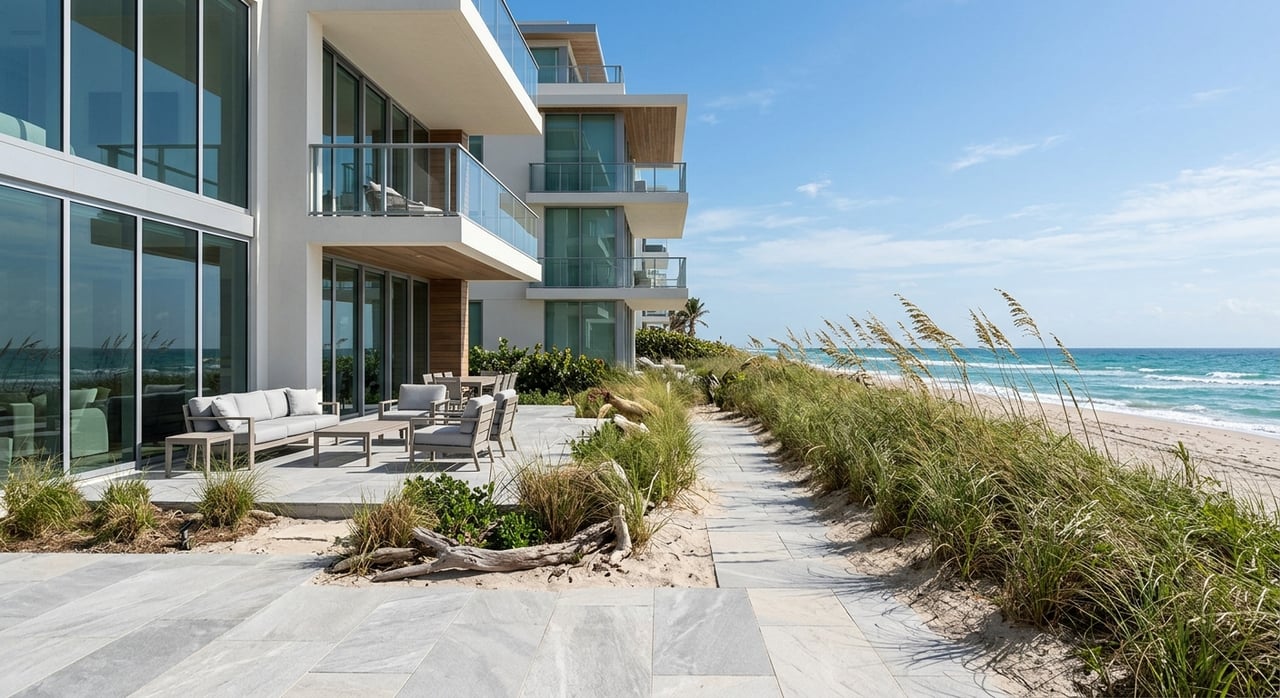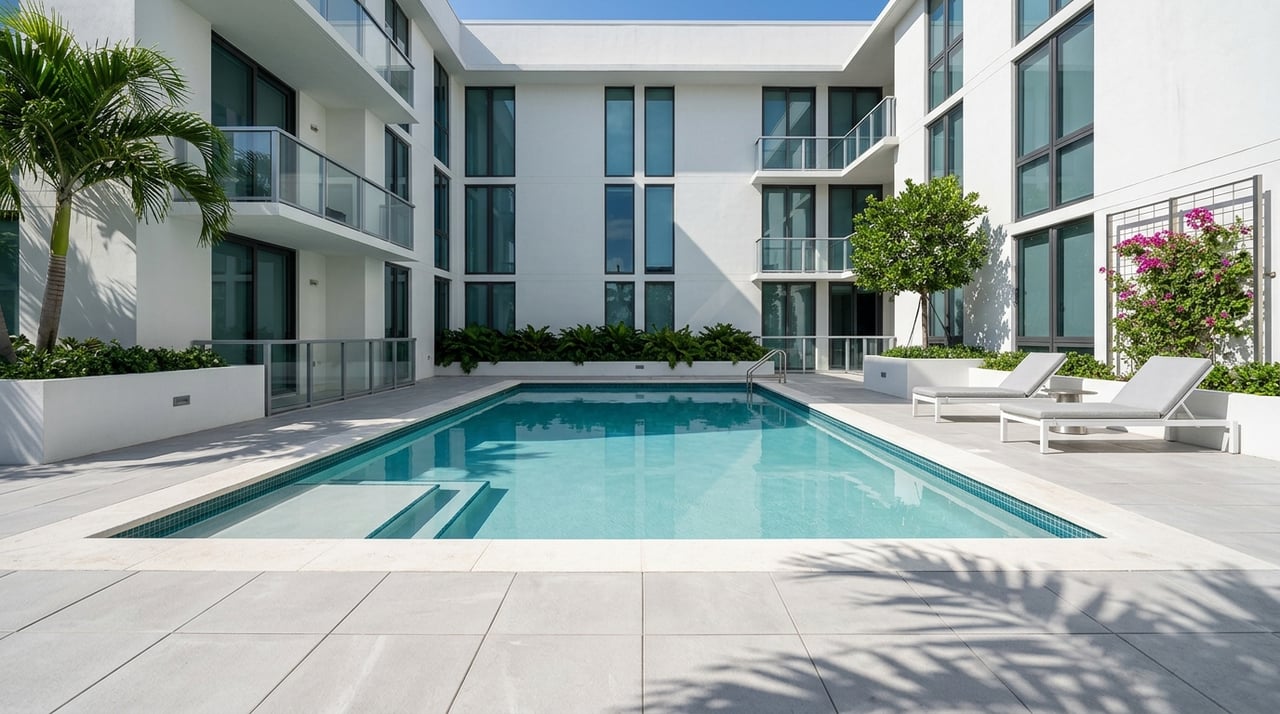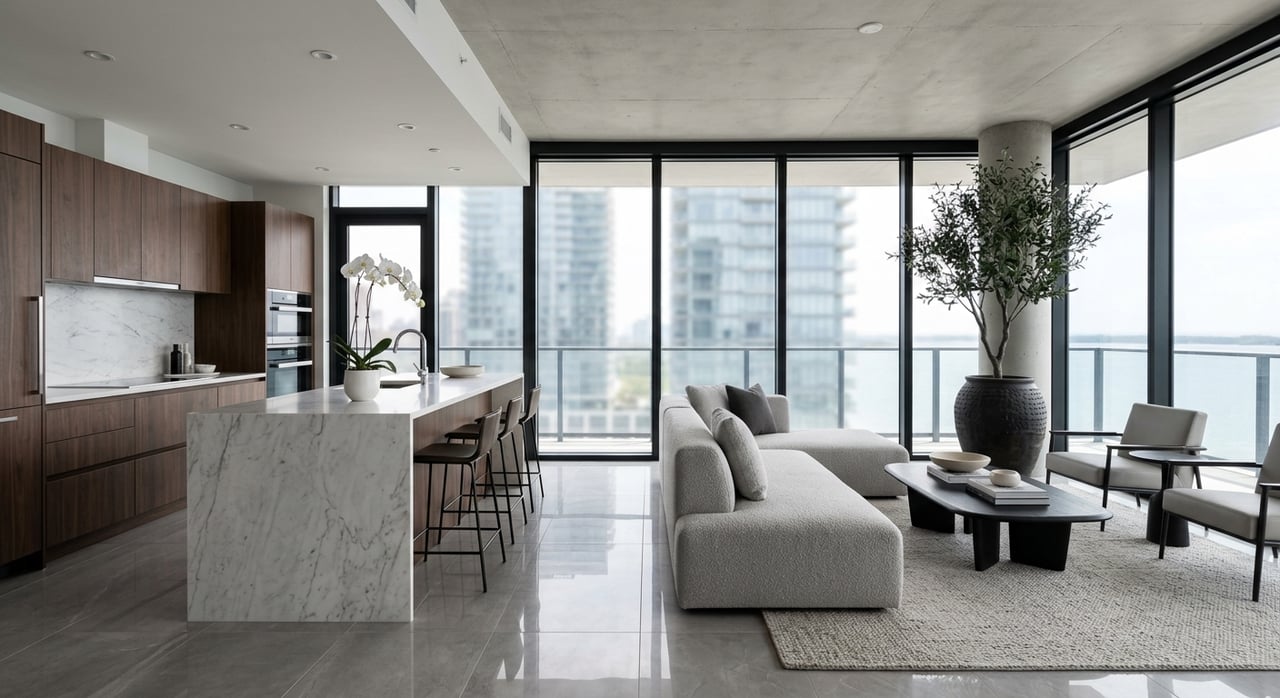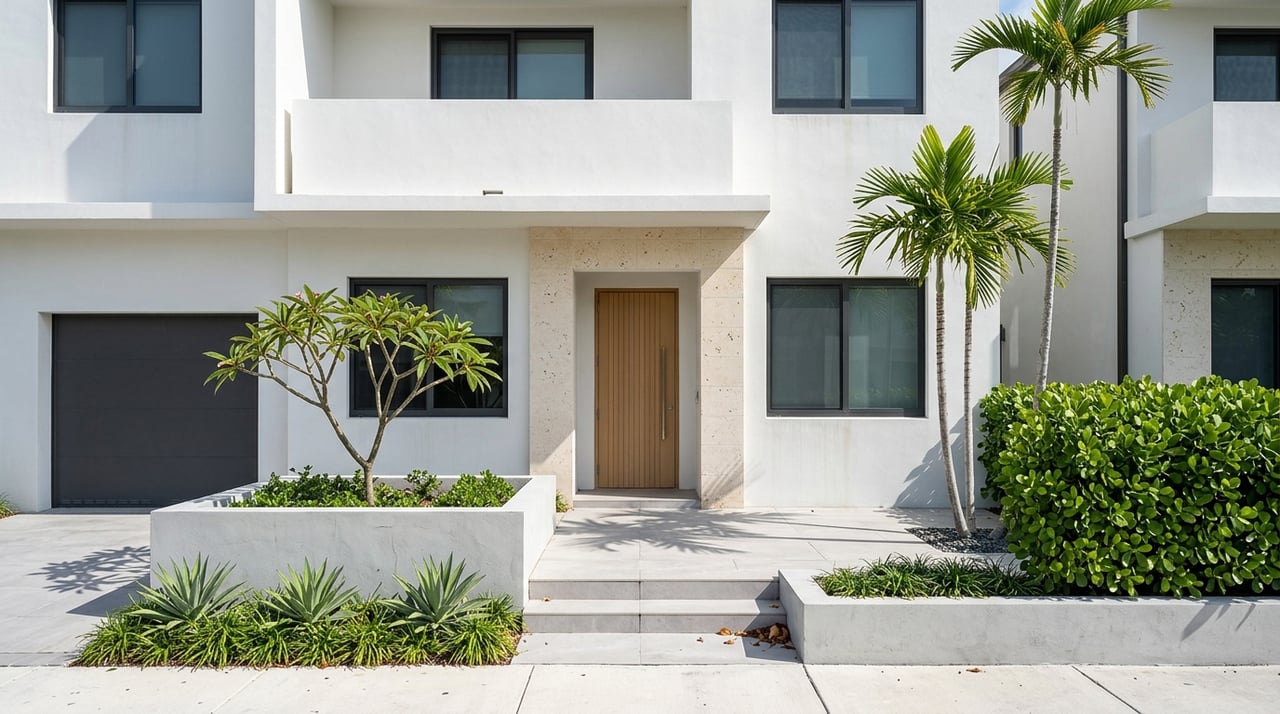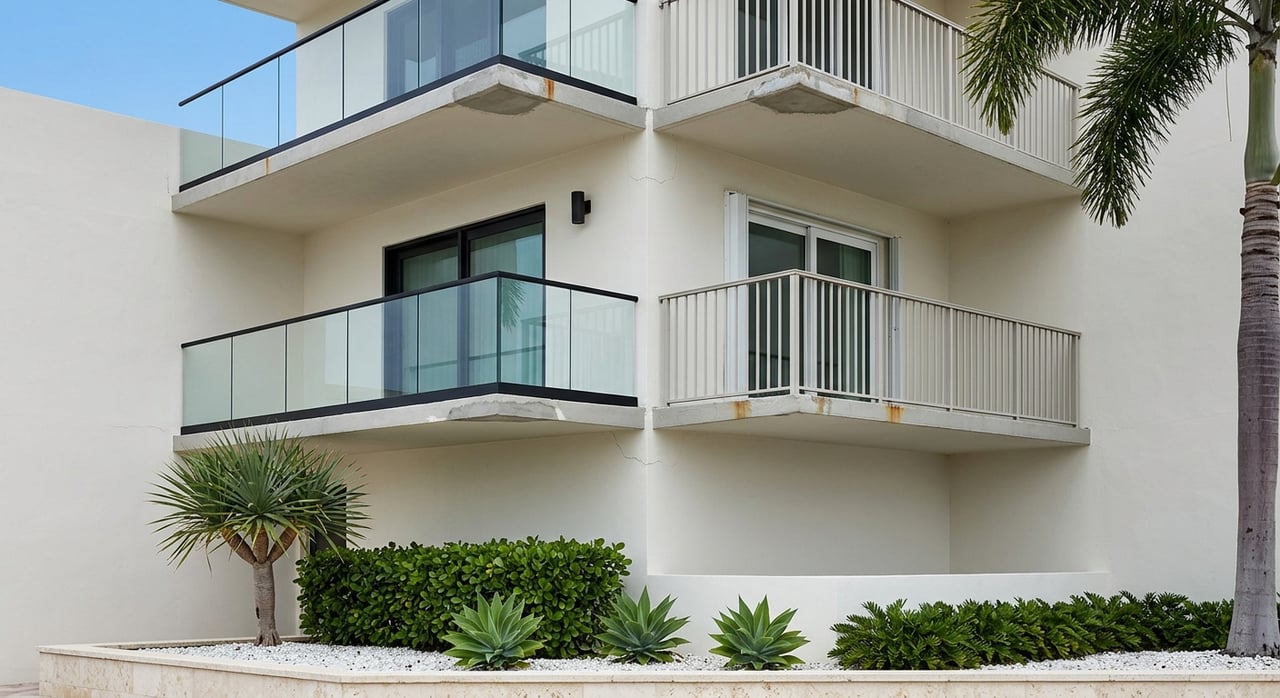
If you are choosing between a brand-new condo and a renovated resale in Hallandale Beach, the finishes alone will not tell you the full story. In this market, shiny interiors can distract from the details that shape your ownership experience, your timeline, and your future costs. The good news is that once you know what to compare, the decision gets much clearer. Let’s dive in.
Why this choice matters in Hallandale Beach
Hallandale Beach is not a market where one option clearly dominates the other. It is a redevelopment-heavy condo market, with a large number of active residential and mixed-use projects, and the Hallandale Beach CRA says its redevelopment area covers 76% of the city.
That creates a real side-by-side comparison for buyers. You may be looking at a newly built tower with modern amenities one day, then tour an older building with a beautifully updated unit the next. On the surface, both can feel move-in ready, but the risks, timelines, and financial considerations can be very different.
New construction basics
With new construction in Hallandale Beach, you are usually buying more than new finishes and appliances. You are also buying into a building that is moving through the current permitting, inspection, and certificate-of-occupancy process.
That paper trail can be easier to follow. Hallandale Beach’s Building Division handles permitting and inspections, and its records tools allow property and permit searches, which can help you review a new project’s status and documentation.
What new construction can offer
New construction often appeals to buyers who want a more current design package and a clearer warranty framework. Under Florida law, condo developers are deemed to give implied warranties, and the completion timeline is tied to the building’s certificate of occupancy or similar authorization.
That means you may benefit from a more defined construction and warranty record once the building is complete. For buyers who value a newer building envelope, recent systems, and a cleaner documentation trail, that can be a meaningful advantage.
What to watch with new construction
The biggest tradeoff is timing. If you buy pre-construction, you are not buying immediate occupancy. You are buying a future delivery tied to project completion.
Governance also matters. In a new condo, the association may still be under developer control for a period of time, and owner board election rights shift only once statutory thresholds and turnover events occur. So even if the building is brand new, the community’s decision-making structure may still be evolving.
Why budgets need a careful read
Another point buyers sometimes miss is that developer-prepared budgets are estimates. Florida law states that actual costs may exceed the figures shown in offering materials.
That does not make new construction a bad choice. It simply means you should treat projected costs, amenity plans, and timing as part of a formal review process, not as automatic guarantees.
Renovated resale basics
A renovated resale can be very appealing in Hallandale Beach. You may get a polished interior, a faster closing path, and an established building in a proven location.
But a fresh renovation does not reset the age of the tower. A new kitchen, updated baths, and modern flooring can improve the unit itself, while the building’s common elements and inspection obligations stay tied to the building’s actual age.
What a renovation changes
A renovation can change how the unit looks, feels, and functions day to day. If the work was properly permitted and finalized, it may also reduce your need for immediate interior updates after closing.
For many buyers, that is a major plus. You can often move in faster and enjoy a more finished product without waiting for construction completion.
What a renovation does not change
A renovation does not change the age of the roof, structure, plumbing systems, electrical systems, waterproofing, windows, exterior doors, or other major common elements that may affect the association’s budget and long-term planning.
That is especially important in Hallandale Beach. The city’s Building Safety Inspection Program states that qualifying buildings are inspected at 25 years of age and every 10 years after that, based on the certificate of occupancy and as determined by the Building Official.
Why building age matters so much here
In Hallandale Beach, older coastal towers can enter inspection cycles sooner than many buyers expect. Florida’s statewide milestone inspection law applies to certain residential condo and co-op buildings that are three habitable stories or higher at 30 years and every 10 years after, but local enforcement can require the first inspection at 25 years where justified.
Hallandale Beach does exactly that for qualifying buildings. So when you are comparing new construction with a renovated resale, the real issue is often not the countertop material or appliance package. It is whether the building is approaching, entering, or responding to an inspection-driven repair cycle.
Interior updates versus common elements
This is where buyers can get tripped up. A renovated resale unit may feel newer than some brand-new inventory from a design standpoint, but if the building’s common elements are aging, your future costs may look very different.
Florida’s structural integrity reserve study rules focus on items like the roof, structure, fireproofing and fire protection systems, plumbing, electrical systems, waterproofing and exterior painting, and windows and exterior doors. Those are the systems that can drive major future spending, regardless of how nice the unit looks inside.
Assessments may decide the deal
For many Hallandale Beach buyers, the biggest difference between new construction and renovated resale is not the purchase price. It is the association’s financial position.
Florida law requires reserve accounts for capital expenditures and deferred maintenance. For associations that must obtain a structural integrity reserve study, reserves must be maintained for the listed structural items based on the study’s findings, and for budgets adopted on or after December 31, 2024, certain owner-controlled associations cannot simply vote to fund less than the required reserves for those items, except in limited multicondominium situations approved by the division.
Why reserves matter to you
If you buy in an older building with limited reserves or major repairs ahead, special assessments or higher regular assessments may become part of your ownership picture. A renovated interior does not protect you from that.
On the other hand, a brand-new building is not automatically risk-free. New construction can still carry financial risk through estimated budgets, early-stage operations, and the transition from developer control to owner control.
Documents to review before you commit
In Hallandale Beach, document review should be central to your decision. Florida condo sales contracts now require specific disclosures about whether an applicable milestone inspection, turnover inspection report, or structural integrity reserve study exists, and buyers are entitled to current copies when those documents apply.
That means your review should go beyond photos, staging, and finish quality. The right documents can tell you far more about risk, cost exposure, and how the building is being managed.
For new construction
When evaluating a new-construction condo, focus on:
- the project’s permitting and inspection status
- the anticipated certificate-of-occupancy timeline
- the offering materials and estimated budget
- whether the association is still under developer control
- the turnover process and records the developer must deliver
- the available warranty framework tied to completion
For renovated resale
When evaluating a renovated resale condo, focus on:
- the building’s age
- whether the unit renovation was permitted and received final inspection
- milestone inspection status, if applicable
- structural integrity reserve study status, if applicable
- reserve funding levels and recent budgets
- any history of special assessments or upcoming capital work
Broward County states that permits are required to construct, enlarge, alter, repair, move, remove, or demolish buildings or structures, and a final inspection is required to confirm the job was completed properly. Hallandale Beach’s permit and property-record tools make that history especially important to check.
Which option fits your goals?
There is no one-size-fits-all answer in Hallandale Beach. The right choice depends on how you weigh design, timing, building age, governance, and future financial exposure.
New construction may be the better fit if you want the newest design, a more current building, and a clearer warranty and turnover paper trail, and you are comfortable waiting for completion. Renovated resale may be the better fit if you want faster occupancy, like the feel of an established building, and are ready to do deeper diligence on permits, inspections, reserves, and possible assessments.
The smartest way to compare them
The most useful comparison is often not simply new versus renovated. It is whether the building’s age, reserve position, and document trail support the lifestyle and risk profile you want.
In a market like Hallandale Beach, where redevelopment and older coastal inventory compete side by side, that kind of disciplined review matters. If you want help weighing a new tower against a renovated resale and reading the details behind the design, Purple Door Capital can help you evaluate the full picture with a local, builder-minded lens.
FAQs
What makes new construction condos different in Hallandale Beach?
- New construction in Hallandale Beach often offers newer finishes, a more current permitting and inspection trail, and a warranty framework tied to the building’s completion, but buyers may face longer wait times and early-stage developer control.
What should you check before buying a renovated resale condo in Hallandale Beach?
- You should check the building’s age, permit history for the renovation, final inspection records, milestone inspection status if applicable, reserve funding, and whether there is a history of special assessments or upcoming capital work.
Why do inspections matter for older Hallandale Beach condo buildings?
- Hallandale Beach’s local Building Safety Inspection Program states that qualifying buildings are inspected at 25 years and every 10 years after that, so an older building may be entering a structural review cycle even if the unit itself looks newly renovated.
How do reserves affect condo ownership costs in Hallandale Beach?
- Reserve funding affects how an association pays for major repairs and deferred maintenance, and if reserves are not sufficient, owners may face higher regular assessments, special assessments, or other funding measures.
Is new construction always safer financially than a renovated resale in Hallandale Beach?
- No. New construction may offer newer systems and a clearer paper trail, but budgets are estimates and association governance may still be under developer control, so buyers should still review documents carefully.
Can a renovated condo unit still come with building-wide financial risk in Hallandale Beach?
- Yes. A unit renovation improves the interior, but it does not change the condition or reserve needs of common elements like the roof, structure, plumbing, electrical systems, windows, or waterproofing.