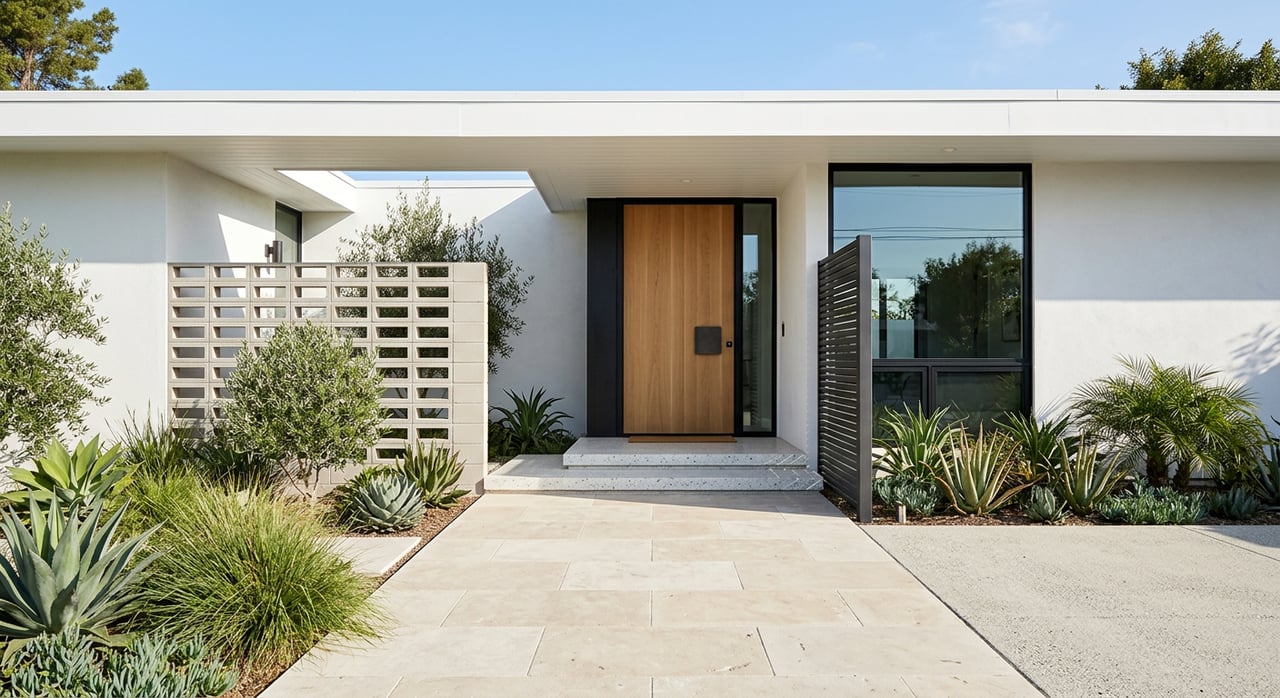
Thinking about turning a classic Hollywood Lakes home into a modern coastal standout without overspending or blowing your timeline? You are not alone. Between code updates, flood considerations and buyer expectations, getting the plan right upfront matters. In this guide, you will learn what to prioritize, which materials last near the water, and how to budget and permit smart in the City of Hollywood. Let’s dive in.
Why design-forward pays in Hollywood Lakes
Hollywood Lakes blends historic homes with modern renovations near the beach and two scenic lakes. Buyers here often look for turnkey design, resilient systems and easy indoor-outdoor living. Listings that deliver a current look and worry-free ownership tend to compete better.
Market data shows neighborhood median prices in the mid six figures to low seven figures, with lakefront homes trending higher. Presenting a modern, move-in-ready home with strong systems helps you meet buyer expectations at those price points and supports a smoother sale. You can scan local medians and trends on the Hollywood Lakes market snapshot.
Plan for coastal risk and code
Sea-level rise planning is active across Southeast Florida. Regional guidance projects about 10 to 17 inches by 2040 and 21 to 54 inches by 2070. Design decisions that consider higher tidal water and drainage stress will age better over a typical renovation horizon. See the regional projection used in Broward County on the Southeast Florida Climate Compact site.
If your property is waterfront or near tidal areas, seawall and dock improvements follow separate standards and permits. Broward County provides guidance on elevation targets and tidal flood barriers. Start those conversations early using Broward’s seawall resources.
Hollywood enforces the Florida Building Code. The 8th Edition took effect in late 2023 and includes updated wind-speed maps for South Florida’s high-velocity wind zone. Plan for impact-rated opening protection and wind-borne debris criteria. Confirm which code edition will govern your permit with the City or see the Florida Building Commission update.
Flood status matters for both design and insurance. Look up your parcel in FEMA’s Map Service Center and review any elevation certificates before finalizing scope. Flood-zone status can affect materials below the Base Flood Elevation and lender requirements. Start with the FEMA Map Service Center via this federal reference.
Projects buyers notice most
Design-forward does not always mean gut-level luxury. In many Hollywood Lakes comps, midrange kitchen and bath updates punch above their weight on resale while keeping costs predictable. National Cost vs Value data consistently shows minor to midrange kitchen remodels and midrange bath remodels among the stronger recoupers. You can review project types and typical returns on the Cost vs Value dataset.
Impact-rated windows and doors are also high-impact. They improve safety, can help with insurance credits, and reduce buyer friction during inspections. Florida’s My Safe Florida Home program supports wind mitigation inspections and, when available, matching grants. Learn more in the program’s homeowner guide.
Smart layout moves for Lakes homes
- Open the kitchen toward main living areas while respecting the home’s structure and scale.
- Combine small rooms to create flexible spaces that can work as an office or guest suite.
- Upgrade a half bath to a full bath where feasible, or add a second primary bath in suitable footprints.
- Improve indoor-outdoor flow with a screened porch or upgraded patio designed for salt and humidity.
Systems that reduce friction and insurance risk
- Strengthen roof-to-wall connections and include a secondary water barrier during reroofing.
- Update electrical panels, lighting and plumbing to today’s standards.
- Size HVAC correctly and plan for humidity control to prevent condensation and mold.
Materials and details that last near the water
Coastal Broward conditions call for finishes and fasteners that handle humidity, salt and potential inundation. FEMA’s coastal guidance outlines material choices and corrosion protection for homes in coastal areas. Use it to set a baseline and tailor to your site. See FEMA P-55 for a comprehensive overview of coastal construction practices.
Exterior envelope and openings
- Favor fiber-cement, stucco on proper backup, or masonry with well-detailed flashing. Avoid untreated softwoods in exposed spots.
- Specify corrosion-resistant fasteners and connectors, such as stainless steel or hot-dip galvanized where appropriate.
- Choose impact-rated windows and doors for the HVHZ environment to meet wind-borne debris criteria and streamline insurance.
Interiors and moisture control
- Use low-maintenance, nonporous floors like porcelain tile, sealed stone or quality LVP rated for wet areas, especially on ground levels.
- In locations at or below expected flood exposure, select flood-damage-resistant materials so they can be cleaned and returned to service.
- Design HVAC and ventilation with a dehumidification strategy suited to hot-humid Florida conditions.
Mechanicals and electrical
- Elevate HVAC condensers, air handlers, water heaters and panels above likely flood levels when possible.
- Where elevation is not feasible, protect critical equipment with flood-resilient enclosures and plan for rapid recovery.
- Document all product approvals and installation details for insurance credits and for buyer due diligence at resale.
Budget, phasing and realistic timelines
Set budgets using local comps and a clear scope. Many sellers and investors in mid- to upper-tier neighborhoods see stronger percentage returns from thoughtful midrange updates rather than high-end gut renovations. The Cost vs Value data offers helpful benchmarks you can align with your home and exit strategy.
Timelines vary by permit queue and lead times. As a planning baseline, baths often run 3 to 8 weeks, midrange kitchens 6 to 12 weeks or more, and whole-house interiors several months. Order long-lead items early, and keep a 10 to 20 percent contingency for unknowns.
If you plan to live in the home during work, phase projects to maintain safety and basic function. Sequence noisy or dusty scopes together, and lock in inspection windows with your contractor to avoid idle days.
Permits and historic review in Hollywood
The City of Hollywood requires permits for most structural, electrical, plumbing and mechanical work. The City notes plan review is processed in date order, with processing within a maximum of 30 working days after a complete submission. Check eligibility for ePermits, express permits for simple replacements and Early Start options on the City’s permit FAQ.
Parts of Hollywood, including areas in the Lakes, have historic and conservation considerations. Projects in designated sections or those that affect character-defining features can require additional review or a Certificate of Appropriateness. If your home is older or in a regulated area, start with the City’s Historic Preservation page and build extra time into your schedule.
For pre-1978 homes, the EPA’s Renovation, Repair and Painting Rule can apply when disturbing painted surfaces. Hire lead-safe certified contractors and follow all disclosure rules.
A simple step-by-step game plan
- Verify your flood zone in FEMA’s Map Service Center and pull any elevation certificate. Confirm insurance needs early. Start here: FEMA map lookup reference.
- Pin down your after-renovation value using local comps and set a scope that fits the street.
- Engage an architect or experienced remodeler to draft plans, budgets and note code-triggering work like structural changes.
- Schedule a free wind mitigation inspection through the My Safe Florida Home program if available. Review grant options and document upgrades using the program guide.
- Lock in long-lead items early. Order impact glazing, cabinets and countertops before demolition when possible.
- Hire licensed, insured contractors with HVHZ experience. Use fixed-price scopes, milestone-based payments, and a 10 to 20 percent contingency.
Bring it all together
A design-forward renovation in Hollywood Lakes balances curb appeal, modern layouts and resilient systems built for coastal life. Focus on midrange kitchens and baths, impact openings, humidity-savvy HVAC and materials that handle salt and moisture. Align your spend with local comps, permit early and preserve original character where it adds value. When you get those pieces right, you deliver the move-in-ready product buyers want and protect your downside during ownership and at resale.
If you want a clear, ROI-focused plan for your Hollywood Lakes property, connect with Purple Door Capital to align design, budget and exit strategy in one conversation.
FAQs
What renovations deliver the best ROI in Hollywood Lakes?
- Midrange kitchen and bathroom updates, along with high-ROI exterior items like entry and garage doors, typically recoup a stronger share of cost than luxury gut renovations, based on the Cost vs Value dataset.
Do I need impact-rated windows and doors in Broward’s HVHZ area?
- Impact-rated opening protection is widely recommended for South Florida’s high-wind environment and can support insurance credits, as outlined in the My Safe Florida Home homeowner guide.
How should I plan for flood risk before renovating in Hollywood Lakes?
- Check your FEMA flood zone and elevation, choose flood-damage-resistant materials below BFE and elevate critical utilities where possible. Start with FEMA’s coastal guidance in P-55 and confirm your parcel in the Map Service Center via this federal reference.
How long does the City of Hollywood take to review residential permits?
- The City cites processing within a maximum of 30 working days after a complete submission, with plan review handled in date order. See the City’s permit FAQ for ePermits, express permits and Early Start options.
Are historic homes in the Lakes area subject to extra approvals?
- Properties in designated historic or conservation sections, or projects that affect character-defining features, may require additional review or a Certificate of Appropriateness. Begin with the City’s Historic Preservation page and plan extra time for review.