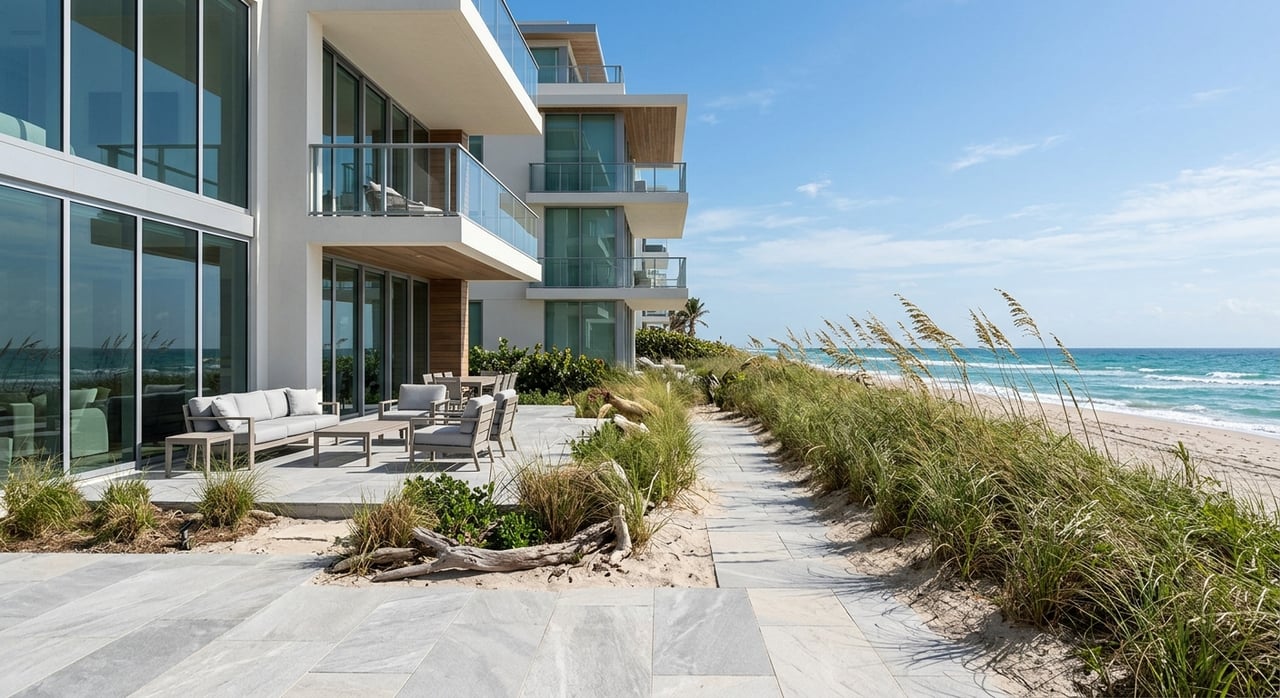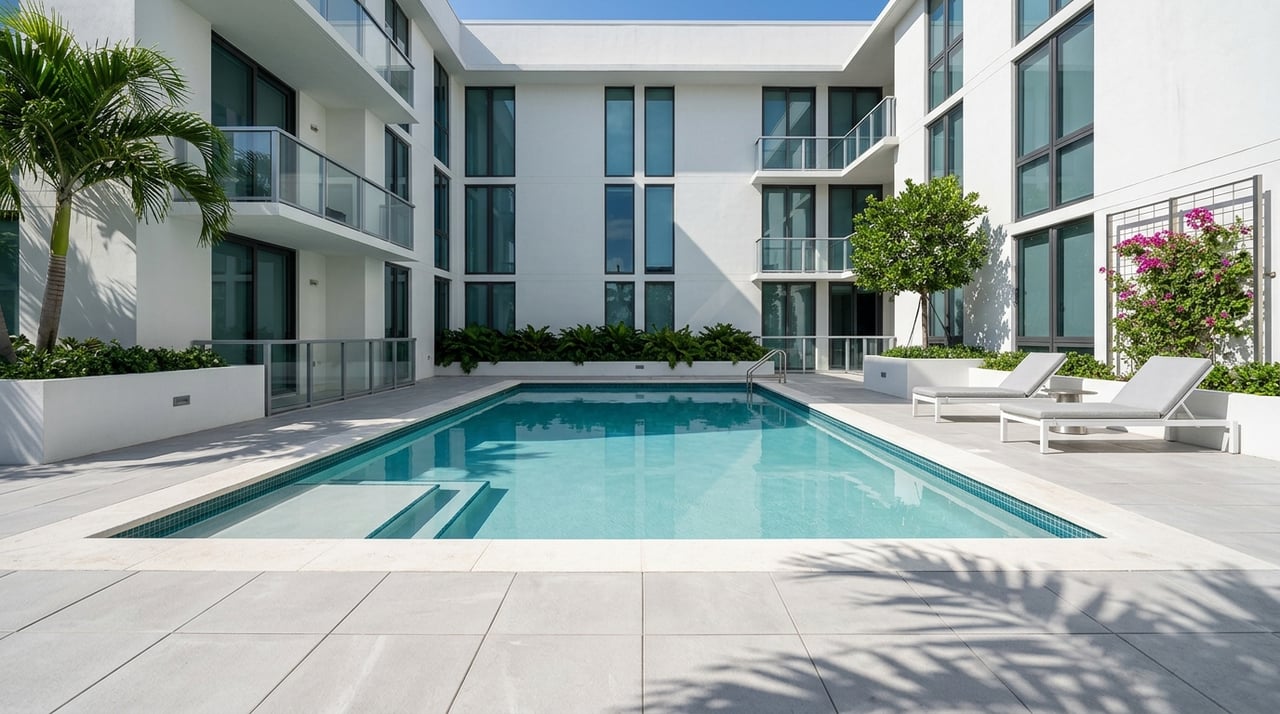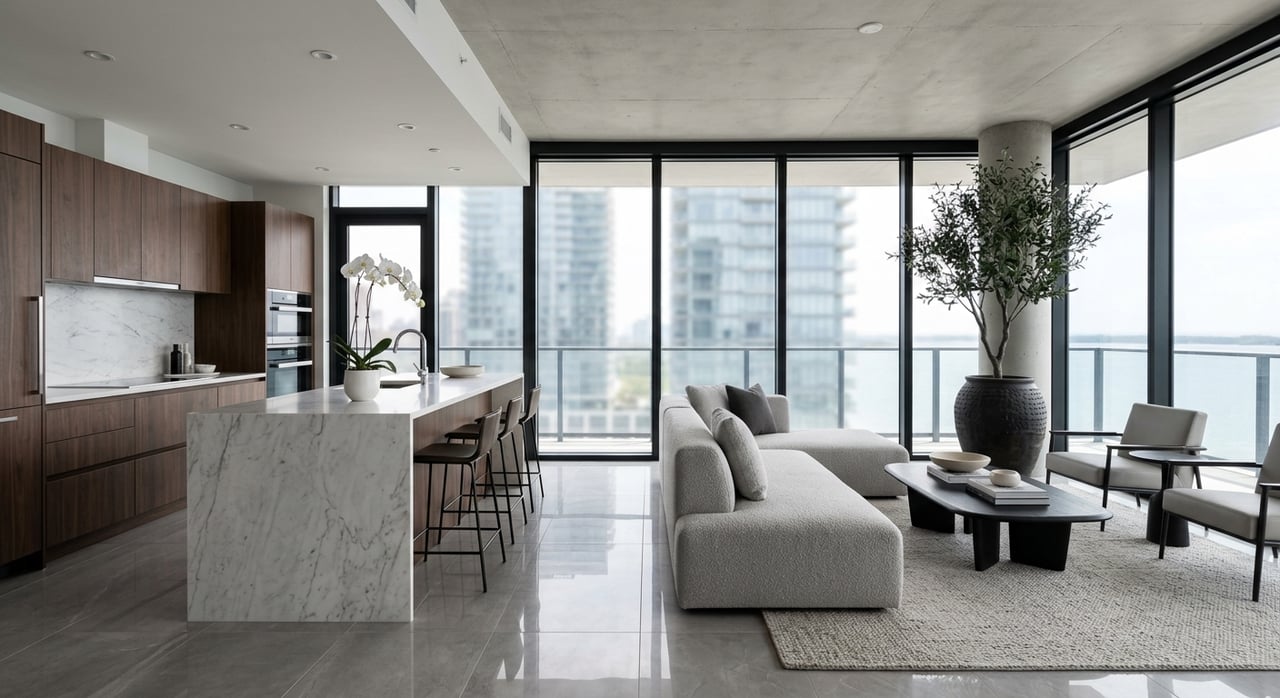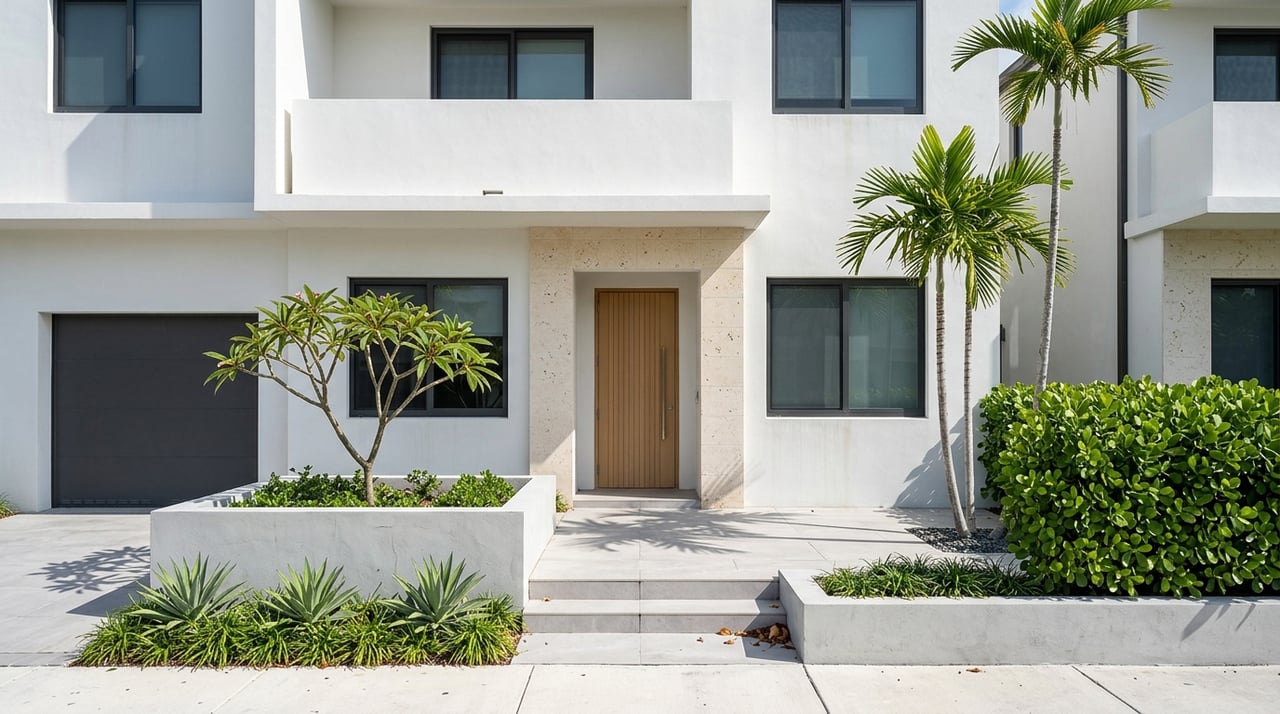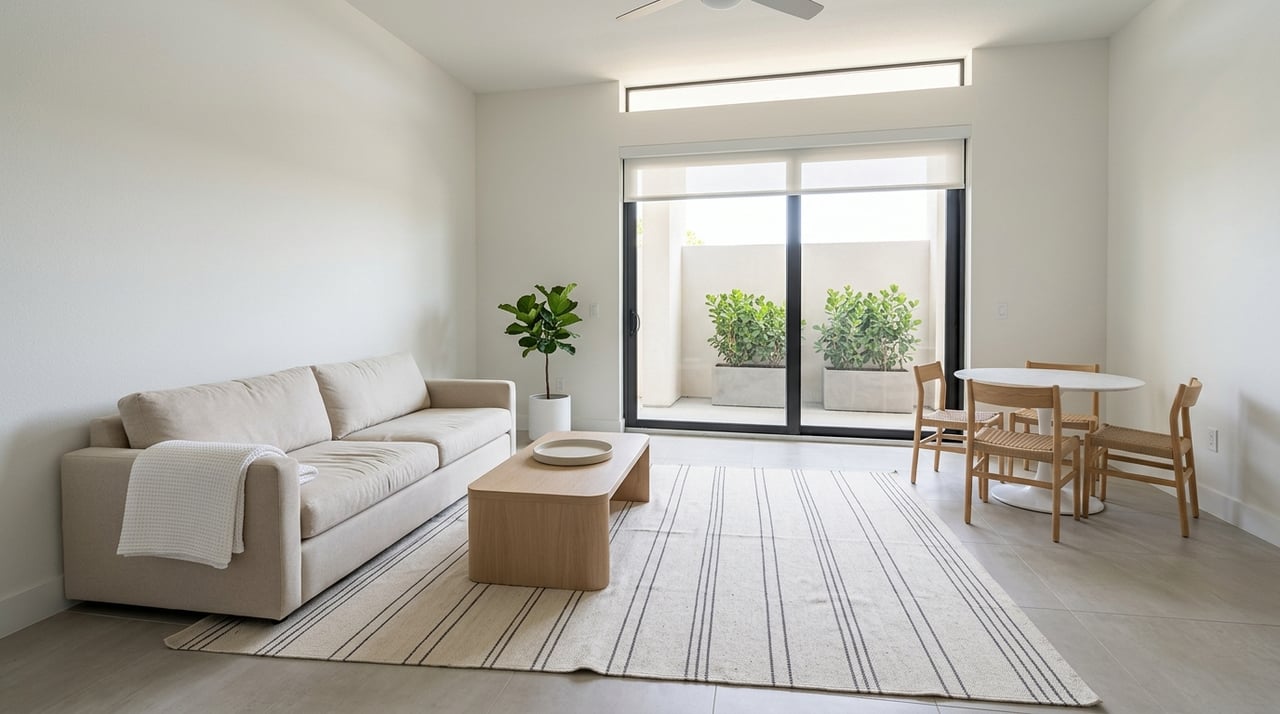
If you want your Edgewater vacation rental to feel turnkey and perform like a real business, design is only half the job. You need a property that photographs well, handles beach traffic, supports fast turnovers, and fits the way visitors actually travel in the Pensacola area. When you align layout, materials, and amenities with real market behavior, you give yourself a better shot at stronger guest reviews and a premium nightly rate. Let’s dive in.
Why turnkey design matters in Edgewater
A vacation rental in Edgewater, West Pensacola, sits in a market shaped by tourism, coastal conditions, and online booking behavior. According to the U.S. Census Bureau, West Pensacola had a population of 21,019 at the 2020 census, while the broader Pensacola area continues to attract substantial visitor traffic.
The local tourism economy is large enough to support thoughtful short-term rental positioning. Visit Pensacola’s FY2025 report shows 2,492,500 visitors, $1.78 billion in economic impact, and $57.4 million in local tax contributions. For owners, that means demand is real, but so is competition.
The same report shows vacation rentals averaged 54.4% occupancy and $235.51 ADR, while hotels averaged 62.6% occupancy and $138.66 ADR. In practical terms, a well-designed rental may be able to command a higher nightly rate, but it still needs efficient operations and durable finishes to make the numbers work.
Design for the actual guest
Good turnkey design starts with the most basic question: who is likely to stay there? In the Pensacola area, visitor tracking data from Visit Pensacola points to small groups and families as the most relevant audience.
The typical travel party was 2.8 people overall and 3.0 in paid accommodations. Just as important, 47% of visitors traveled with children, 82% arrived by car, and top activities included restaurants, relaxing, and the beach. That tells you a lot about what your property should prioritize.
Instead of overdesigning for a luxury-magazine look alone, focus on a home that supports real use. In this market, that usually means practical parking, flexible sleeping, easy laundry, and interiors that still look polished after repeated beach-heavy stays.
What guests are likely to value most
Based on the area’s travel patterns, the most useful features often include:
- Easy, visible parking
- A simple self-check-in process
- Durable seating in main living areas
- A true dining surface, not just bar stools
- Storage for luggage and beach gear
- A washer and dryer
- Blackout window treatments
- Fast Wi-Fi
- Premium mattresses
- Family-friendly sleeping options
- A small beach kit
- A compact work nook
These choices are especially relevant in a market where many travelers plan and book online within a relatively short window.
Build for photos and bookings
A vacation rental is not judged only in person. It is judged first on a screen. Visit Pensacola’s visitor report notes that the average planning window began 61 days before travel, Google remained the top planning source, and a significant share of travelers used vacation-rental platforms.
That booking pattern makes visual presentation critical. If your Edgewater property feels cluttered, dark, or confusing in listing photos, you may lose clicks before a guest ever reads the details.
Photo-ready design choices
To support stronger listing performance, keep the visual plan simple and consistent:
- Use uncluttered sightlines in main rooms
- Choose a light, cohesive color palette
- Create one standout first-image space, usually the living room or kitchen
- Keep furnishings scaled to the room
- Limit decorative accessories that complicate cleaning
- Add clear bedside lighting and layered ambient lighting
- Show the arrival sequence and parking clearly in photos when possible
Turnkey in this context means more than furnished. It means the space reads as organized, premium, and easy to use.
Start with compliance before finishes
Before you spend heavily on furniture, tile, or styling, confirm the rules that apply to the property. This step is easy to skip, but it can shape your budget, timeline, and scope.
The Florida Department of Business and Professional Regulation defines a vacation rental as certain dwelling types used as transient public lodging establishments. If an entire unit is rented more than three times in a calendar year for periods of less than 30 days, or if it is advertised as regularly rented to guests, a DBPR vacation-rental license is required.
Tax setup matters too. According to the Escambia County Tourist Development Tax page, accommodations rented for six months or less are subject to a 5% Tourist Development Tax, and the county FAQ states short-term rentals in Escambia County should collect 7.5% state sales tax plus 5% TDT.
Florida’s current statewide code baseline is also important if you are improving the property. The same county resource notes the Florida Building Code, 8th Edition (2023) is currently in effect. In plain terms, confirm parcel jurisdiction, licensing, tax registration, and any permit-triggering work before locking in your design budget.
Choose coastal-tough materials
In Edgewater, design has to work with the coastal environment, not against it. A pretty finish package that fails under humidity, sand, moisture, or storm exposure is not really turnkey.
FEMA’s coastal construction guidance is clear that homes in coastal environments face hazards such as hurricane winds, storm surge, wave and debris impact, erosion, and scour. FEMA also notes that coastal construction best practices can improve durability and reduce losses.
For owners, that should influence both exterior and interior selections. You want materials that are easier to maintain, faster to clean, and better suited to the conditions near the coast.
Smarter material selections for turnover
A practical finish package may include:
- Tile or other nonporous flooring instead of carpet in moisture-prone areas
- Wipeable paint finishes
- Moisture-tolerant trim details
- Corrosion-resistant hardware
- Sealed or easily replaceable textiles
- Surfaces that can be dried and sanitized quickly
This approach aligns with EPA moisture-control guidance, which recommends controlling humidity, ventilating the home, using air conditioning or dehumidifiers, drying wet surfaces within 24 to 48 hours, and keeping indoor relative humidity below 60%, ideally between 30% and 50%.
Exterior details that deserve attention
Exterior durability matters too, especially if you are refreshing or repairing the structure. FEMA Building Science resources specifically call for corrosion-resistant metal connectors and fasteners in coastal areas, and note that roof flashing damage can lead to leaks, corrosion, and dry rot.
If you are renovating, this is where developer-style thinking helps. The right hidden upgrades may not show up in listing photos, but they can reduce maintenance issues and protect the investment over time.
Plan the layout around use
A successful vacation rental does not need oversized rooms or excessive amenities. It needs a layout that makes sense from arrival to checkout.
Because most visitors arrive by car and many travel as families or small groups, your floor plan should support easy movement, sleeping flexibility, and obvious storage. Guests should be able to unload, stash beach items, wash clothes, and gather for meals without the home feeling cramped.
Layout priorities for Edgewater rentals
Focus on these practical zones:
Entry and arrival
Make the first five minutes easy. Guests should understand where to park, where to enter, and where to place bags or shoes.
Living and dining
Give people room to relax together. Restaurants and beach time are major draws in the area, but guests still want a comfortable place to unwind between outings.
Sleeping setup
Aim for flexibility. With many small groups and families in the visitor mix, bunk options, twin-to-king flexibility, or a sleeper solution may help if the room sizes support it.
Laundry and storage
This is one of the most valuable practical upgrades in a beach market. Sand, swimsuits, and short stays create constant turnover needs, and in-unit laundry can improve the guest experience significantly.
Evaluate every upgrade against ADR
One of the smartest ways to design a turnkey rental is to tie each decision back to operations. The public benchmark of $235.51 ADR for vacation rentals in FY2025 gives you a useful reference point from the Visit Pensacola annual report.
That does not mean every property should target the same rate. It does mean your design choices should support a pricing strategy instead of just increasing upfront cost.
Ask practical questions as you scope the project:
- Will this finish reduce cleaning time?
- Is this furniture durable enough for repeated guest use?
- Does this amenity show well in photos?
- Will this layout improve reviews and repeatability?
- How often will this item need replacement?
- Does this upgrade support the nightly rate you want to pursue?
This is where disciplined underwriting and design need to work together. A turnkey rental should look good, but it also needs to perform consistently under real operating conditions.
Think like an operator, not just a decorator
The strongest short-term rental design plans in Edgewater usually come from an operator mindset. You are not only creating a nice-looking property. You are building a product for guests, cleaners, maintenance vendors, and online shoppers.
That means the best design decisions are often the ones that balance four goals at once: appeal, durability, speed, and simplicity. If a home is easy to book, easy to use, and easy to maintain, it is much closer to true turnkey status.
If you are considering a vacation rental acquisition, repositioning project, or design-forward resale strategy, working with a team that understands both product and performance can make the process much clearer. To talk through a property strategy with a design-minded, execution-focused team, schedule a consultation with Purple Door Capital.
FAQs
What makes a vacation rental in Edgewater, West Pensacola feel turnkey?
- A turnkey rental is fully set up for guest use and smooth operations, with practical amenities, durable materials, easy check-in, photo-ready interiors, and a layout that supports fast turnovers.
What guest features matter most for an Edgewater vacation rental?
- Based on Pensacola-area visitor trends, useful features include parking, flexible sleeping arrangements, laundry, fast Wi-Fi, blackout shades, comfortable dining space, and storage for luggage and beach gear.
What license may be required for a short-term rental in Escambia County?
- According to Florida DBPR, if an entire eligible unit is rented more than three times in a calendar year for periods of less than 30 days, or advertised as regularly rented to guests, a vacation-rental license is required.
What taxes apply to short-term rentals in Escambia County?
- Escambia County states that short-term rentals should collect 7.5% state sales tax plus a 5% Tourist Development Tax on accommodations rented for six months or less.
What materials are better for a coastal vacation rental near Pensacola?
- Durable choices often include nonporous flooring, wipeable paint, corrosion-resistant hardware, moisture-tolerant trim, and finishes that can be cleaned and dried quickly in humid, beach-oriented conditions.
Why does photography matter for an Edgewater vacation rental listing?
- Pensacola-area travelers often plan online and use search engines and vacation-rental websites, so clear photos, simple design, and an organized layout can help your property stand out earlier in the booking process.